
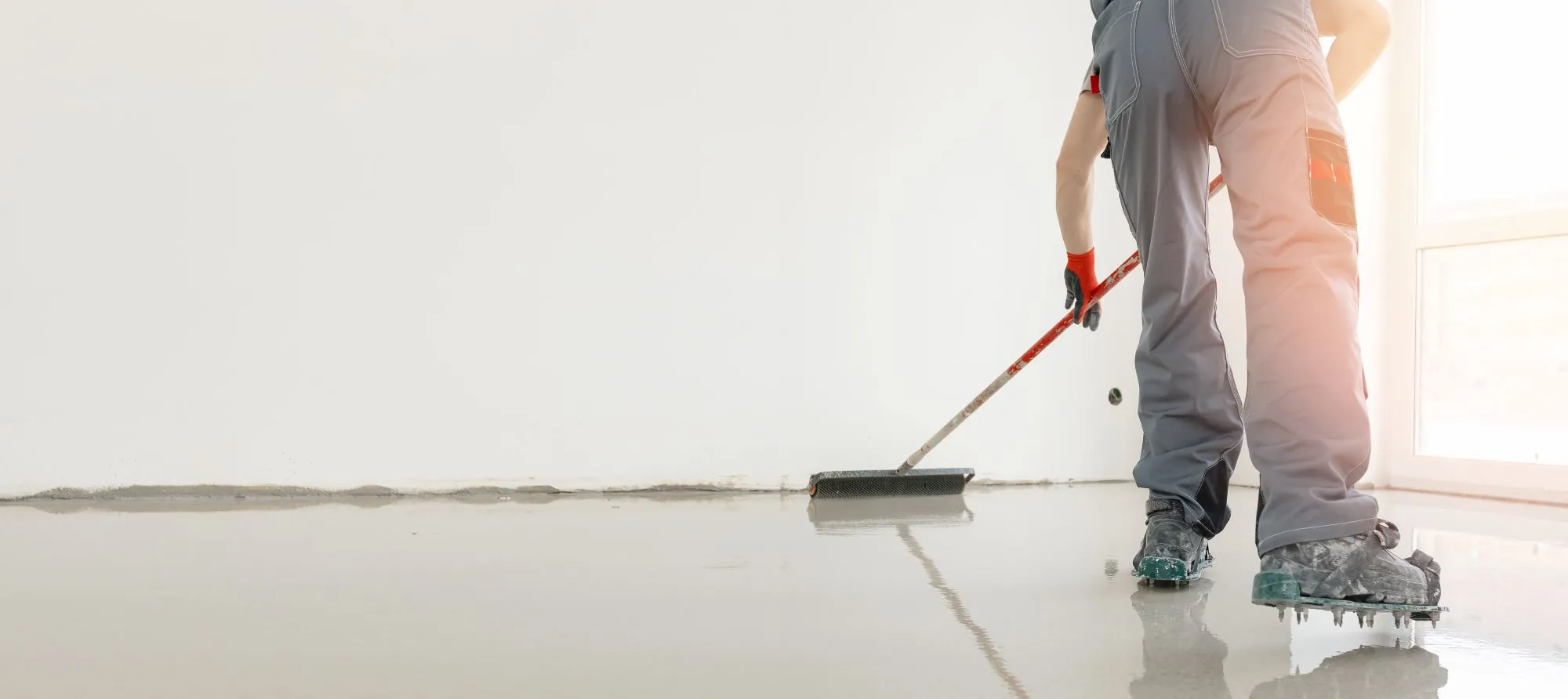
When evaluating the best garage floor ideas for your home or commercial space in 2026, the decision typically comes down to two leading options: seamless garage floor coatings or modular interlocking garage tiles.
While interlocking tiles appeal to DIY enthusiasts seeking an immediate visual fix, they introduce long-term maintenance, acoustic, and moisture-trapping vulnerabilities. In contrast, professionally installed seamless coatings—particularly modern polyaspartic and epoxy systems—fuse directly into the concrete substrate to deliver an impermeable, chemical-resistant barrier that can last up to 30 years.
This comprehensive product comparison explores the chemistry, moisture management, maintenance requirements, and lifecycle costs of these popular floor coverings for garages, helping you make an informed decision for your space.
What are Interlocking Garage Tiles?
Interlocking garage tiles are modular squares (typically 12×12 or 18×18 inches) that float directly over an existing concrete slab without adhesives. They are generally categorized into two material types:
-
Rigid Polypropylene (PP) Tiles: Hard-plastic tiles available in solid or ventilated “free-flow” grid patterns. According to D and G Flooring, these sit on an underside peg network that creates a 1/4- to 1/2-inch sub-tile air gap.
-
Flexible PVC Tiles: Dense, rubber-like solid tiles that lock together via hidden or visible T-joints. They provide cushioning and sound dampening but lay flat directly against the concrete.
While fast to install (often taking just 3 to 5 hours for a DIY assembly), floating tile systems do not bond to the concrete foundation, leaving the underlying slab vulnerable to accumulating debris and moisture.
What are Professional Garage Floor Coatings?
Professional garage floor coatings are thermosetting polymer liquids that chemically and mechanically bond into the concrete pore network. Unlike thin DIY paints that sit on the surface and easily peel, these multi-layer systems feature a penetrating primer, a decorative vinyl flake layer, and a high-build topcoat.
Advanced polyaspartic coatings exhibit exceptional durability. According to Torq Coatings, polyaspartic systems boast tensile strengths exceeding 4,000 PSI (compared to standard epoxy’s 1,200–1,500 PSI) and are 100% UV stable, meaning they will not yellow or fade when exposed to sunlight at the garage threshold.
Recent lifecycle data from Bel Covo Lifecycle Research highlights that polyaspartic systems feature rapid cure rates, enabling complete one-day installation with a return to foot traffic in just 1 to 4 hours, and vehicle parking within 24 hours.
Head-to-Head Comparison: Coatings vs. Tiles
To understand how these top floor coverings for garage floors perform under real-world conditions, it helps to view their specifications side-by-side.
|
Feature / Metric |
Professional Polyaspartic/Epoxy Coating |
Modular Interlocking Tiles (PP / PVC) |
|---|---|---|
|
Bonding Mechanism |
Monolithic, permanent mechanical/chemical fusion |
Floating, unbonded mechanical snap lock |
|
Moisture Vulnerability |
Creates a 100% waterproof, non-porous vapor barrier |
Traps rising vapor and liquids underneath |
|
Mold & Odor Risk |
Zero risk (impermeable, seamless surface) |
Moderate to high (stagnant liquid beneath tiles) |
|
Cleaning Effort |
Low: sweep, mop, or squeegee in minutes |
High: debris falls into seams; requires pulling tiles |
|
Lifespan |
20 to 30 years (Professional Polyaspartic) |
10 to 15 years (Polypropylene / PVC) |
|
Hot Tire Resistance |
Tolerates contact temperatures up to 300°F |
PVC tiles can soften, ripple, or dimple |
|
Thermal Expansion |
Zero (expands and contracts with the slab) |
Buckles (“tents”) in heat; creates seam gaps in cold |
|
Acoustics |
Quiet, solid concrete feel |
Hollow “clacking” or clicking sound underfoot |
Why Does Moisture Management Matter?
The physical behavior of concrete slabs makes moisture management the single most critical differentiator between seamless coatings and modular tiles. Concrete naturally transmits moisture vapor from the earth upward.
The Trapped Moisture Problem with Tiles:
As documented by While Home and Apex Epoxy Flooring, floating tiles create an unconditioned air cavity where rising vapor condenses. Furthermore, when melting snow, road salt, or wash water seeps through tile seams or “free-flow” drainage openings, water pools directly on the raw concrete. Without sunlight or airflow, this moisture stagnates, breeding mildew, foul odors, and concrete efflorescence (white mineral crusts). As one industry expert notes: “Interlocking garage tiles don’t eliminate floor dirt or moisture—they simply hide it underneath where it cannot dry.”
The Seamless Barrier Solution:
Professional polyaspartic coatings solve this issue by sealing the floor. As verified by Concrete Science Florida, industrial diamond grinding opens the concrete capillaries, allowing the basecoat to penetrate deep into the slab. This creates an airtight, non-porous cap that stops vapor transmission and prevents top-down liquids from ever contacting the substrate.
How Do Cleaning and Maintenance Compare?
Maintaining long-term cleanliness varies significantly between monolithic coatings and modular floor coverings.
The Hidden Burden of Tile Maintenance
Cleaning interlocking tiles is notoriously difficult because dirt does not stay on the surface. Free-flow open-rib tiles permit sand, pet hair, dirt, sawdust, and metal shavings to pass directly onto the concrete floor below. Maintenance guides from RaceDeck and All Garage Floors explain that thoroughly cleaning under open tiles requires either pressure-flushing debris toward floor drains or physically unsnapping large sections of the floor every season to sweep and power-wash the underlying slab.
The Simplicity of Seamless Coatings
Because polyaspartic coatings create a continuous, non-porous surface with zero joints or seams, maintenance is virtually effortless. Spilled motor oil, brake fluid, and winter road chemicals sit harmlessly on top of the polyaspartic topcoat. Upkeep requires nothing more than regular sweeping, leaf-blowing, or damp mopping with a neutral pH cleaner.
Lifecycle Costs and Durability in 2026
While DIY snap tiles seem cost-effective initially, full lifecycle data demonstrates that professional polyaspartic installations deliver superior long-term ROI.
-
Thermal Tenting and Hot Tires: Polypropylene tiles expand significantly during seasonal temperature shifts. If installed without generous expansion gaps, summer heat causes tiles to buckle upward at the seams—a failure known as “tenting.” Additionally, PVC tiles are susceptible to hot tire pickup, where 200°F+ tires cause the plastic to soften and dimple. Polyaspartic easily withstands 300°F without delaminating.
-
Cost Analysis: DIY interlocking tiles average $3.00–$8.00 per sq. ft., with a 10-15 year lifespan plus ongoing intensive maintenance. Conversely, a professional polyaspartic system is a higher upfront investment ($6.00–$10.00+ per sq. ft.), but an expected lifespan of 20 to 30 years yields an annualized cost of only $200 to $250 per year, making it the more economical long-term choice.
Why Fraser Valley Homeowners Choose Crystal Coatings
In British Columbia’s Fraser Valley (Abbotsford, Chilliwack, Langley, Surrey), the local climate plays a massive role in flooring performance. Persistent wet weather, seasonal snow, and highly corrosive road salts track directly into garages. Modular tiles allow this winter slush and brine to drain into the inaccessible space beneath the tiles, rotting the concrete and breeding mold.
For property owners demanding a permanent solution, Crystal Coatings provides premium polyaspartic and epoxy floor systems specifically engineered for these harsh conditions.
Rather than snapping plastic over unprepared concrete, Crystal Coatings mechanically prepares every slab using industrial diamond grinders to restore the foundation. Their seamless polyaspartic systems keep all moisture, brine, and road debris completely on the surface for effortless squeegee drainage. Best of all, they deliver a true one-day installation with full vehicle return-to-service in 24 hours, backed by a comprehensive lifetime warranty against peeling, delamination, and hot tire pickup.
Final Verdict
If you are searching for temporary, easily removable floor coverings for garages to achieve a quick weekend facelift, interlocking garage tiles provide an accessible DIY option. However, if your priority is long-term durability, effortless maintenance, and protecting your concrete foundation from moisture decay and chemical stains, professional seamless garage floor coatings are clearly the superior investment. By permanently bonding to the slab, polyaspartic and epoxy systems ensure your garage remains clean, protected, and visually stunning for decades to come.

